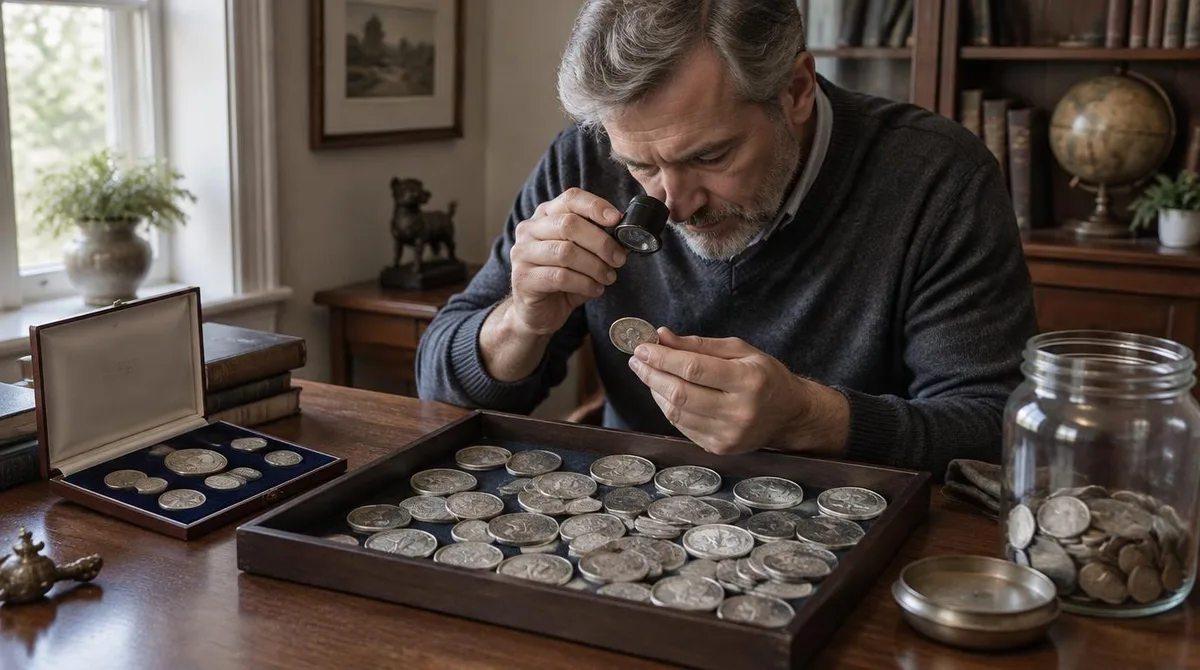
Rare coins earn the word rare through three numbers, not through age alone. Mintage tells how many were struck, survival tells how many remain, and grade tells what condition the survivors keep. The Sheldon scale, 1 to 70, supplies the condition language. Demand then decides what the whole stack is worth.
The three numbers discipline a market that easily runs on stories. Rare coins with big mintages can still be scarce in top grade. A low-mintage date can sit common in worn grade. Only the numbers together separate scarce from merely old.
What Rare Coins Actually Are
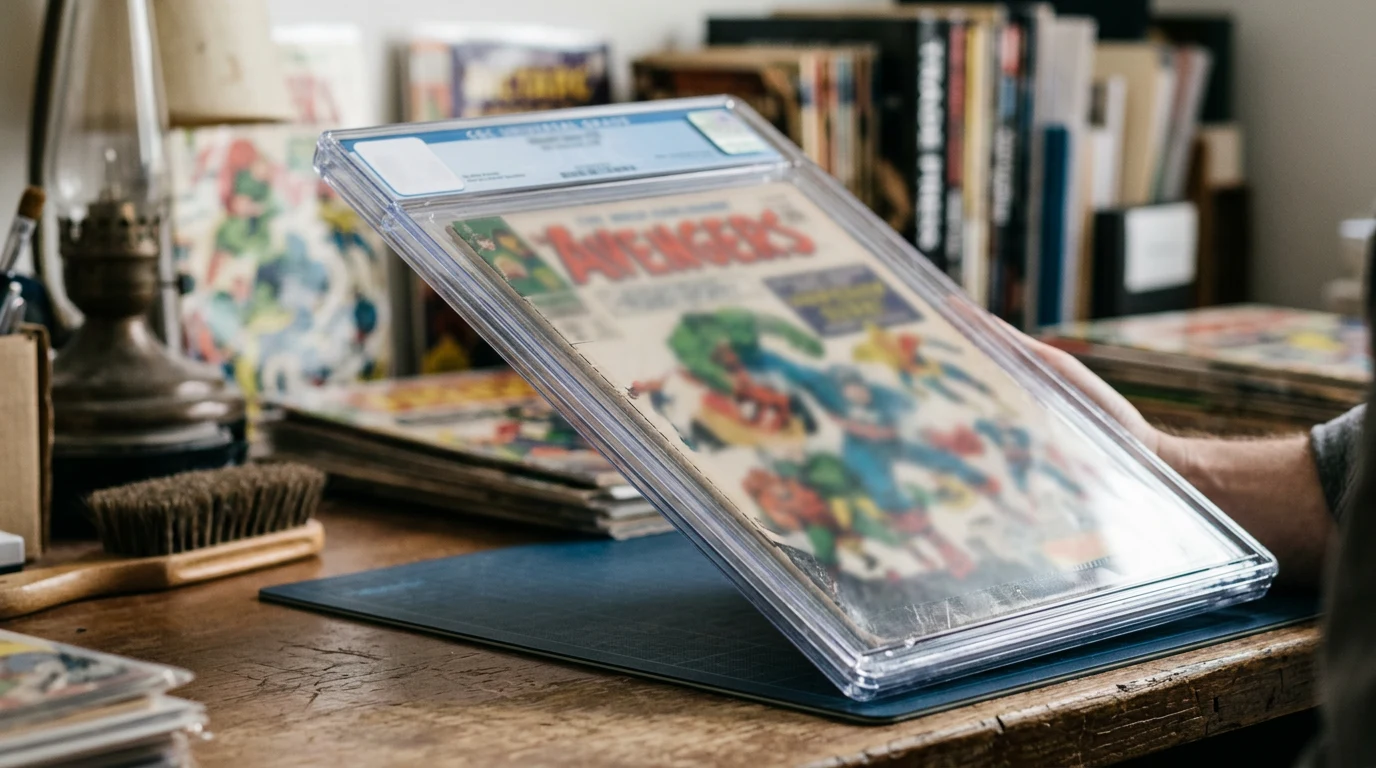
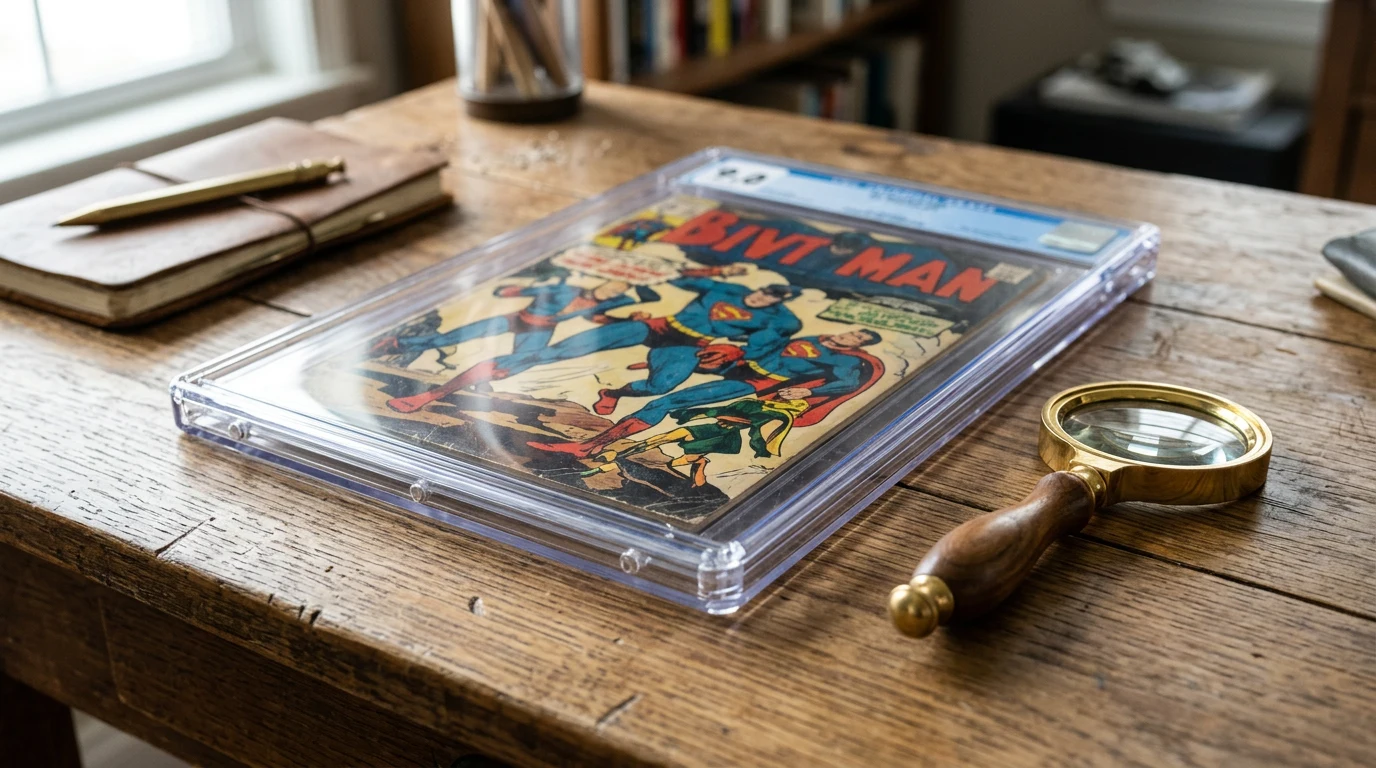
Grading language dates to 1948, when Dr. William Sheldon introduced a 1 to 70 scale. PCGS built its standards on that scale in 1986 and introduced encapsulated, third-party grading. The old idea was bold: a 70 coin should be worth 70 times a 1 coin.
NGC grades on the same internationally recognized 1 to 70 scale. Business strikes graded 60 or higher earn the MS prefix for Mint State. Proofs, specially struck for collectors with highly polished dies and planchets, earn the PF prefix. Some numbers below 60 are skipped entirely.
Details grades handle coins with surface problems. NGC assigns them to genuine coins that cannot earn a number, and the market prices them below numbered peers. The lesson is simple: condition problems cap value even on scarce dates. For related coverage, see Silver Futures Price: What the Curve Says and What It Cannot Say.
Mintages Tell Only Part
Mintage is the headline number and the most misleading one. Melting, spending and attrition cut the surviving pool year after year. A date struck by the million can turn scarce once the census reports arrive. Survival, not striking, sets the real supply.
Published runs show the clean end of the market. The NGC price guide marks one 2015 strike as one of 79,640 pieces, a count known to everyone. Hard ceilings like that make rarity arithmetic instead of folklore. Published caps beat rumors, and rumors have no serial number. This connects to our earlier piece, Silver Ounce Price: Why the Market Quotes Troy and Not the Kitchen Scale.
Census math rewards patience. When a grading service publishes counts by date and grade, the market learns which dates run thin. The threshold to watch sits at 65 and above. Those counts move slower than headlines, which makes them trustworthy anchors.
Grades Multiply Value
Grade multiplies rarity. Two identical coins one point apart can trade worlds apart, because collectors pay for the top of the scale. NGC slices grades finer. A plus sign marks the high end of a grade, and a star marks exceptional eye appeal. Prooflike surfaces add a third track for some dates.
Strike characters add another axis. Cameo contrast ranks proofs, and prooflike surfaces mark special business strikes. NGC notes that a rare strike character can command more than a higher number without one. The scale measures condition, but characters measure drama.
Demand Sets the Final Say
Demand closes the ledger. A coin rare in every technical sense still needs collectors competing for it. Series popularity rises and falls with generations, so rarity prices re-rate while the coin sits still in its holder.
Set collections drive demand in waves. Registry collectors chase complete runs at high grades, and their bid lists lift thin dates one at a time. When a set goes out of fashion, the same dates drift back down.
Limited sets show demand mechanics at work. Anniversary issues listed in the NGC price guide, like the 1995-W anniversary coin, carry premiums far above their metal content. The numbers behind those premiums are mintage, grade and collectors chasing both.
Conclusion: Check Three Numbers
Before any purchase, write three numbers in a row. List the mintage, the census count at the grade, and recent auction records for that grade. Rare coins become legible when the numbers sit side by side. Every story about a coin then gets checked against the sheet. Stories lose their power to set prices alone, and numbers first, romance second becomes the rule.