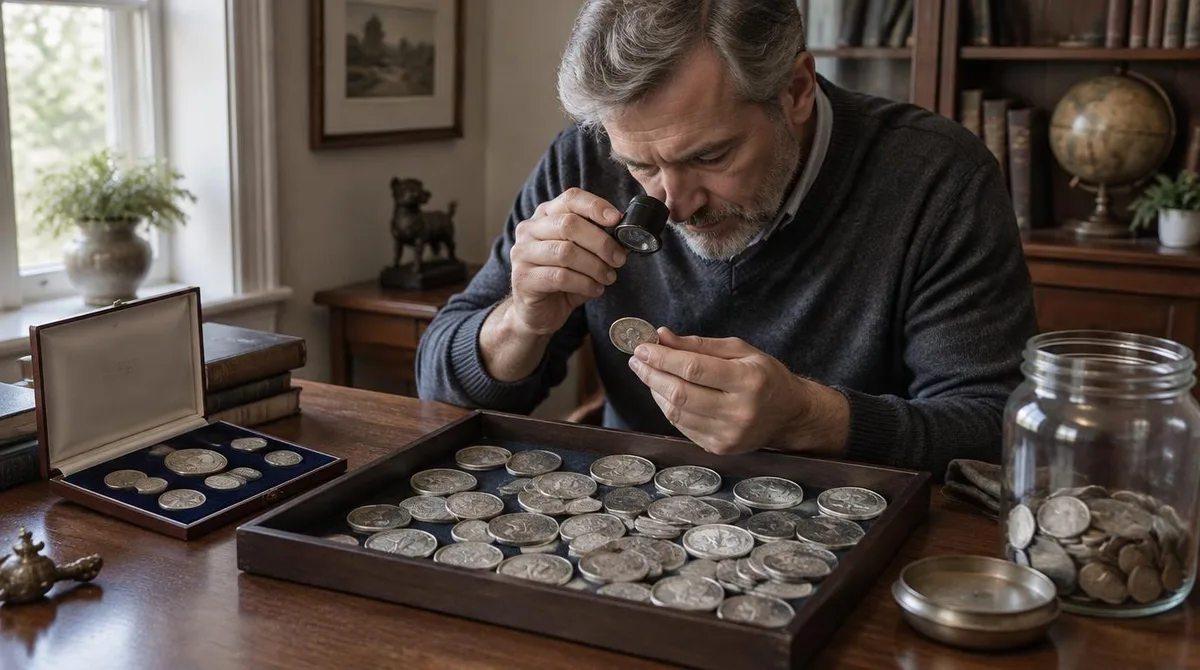
Rare coins to look for hide on plain shelves, not in buried vaults. Estate jars, old collections and dealer bargain trays hold most of them. The marks are learnable: mintmarks, finish differences and low published runs. The hunting ground is ordinary; the checklist is not.
Modern hiding places beat treasure maps. Rare coins to look for cluster inside limited retail products that spent years unnoticed. Anniversary sets and special editions began as catalog items before the census reports repriced them. The census trail explains the repricing. This connects to our earlier piece, Rare Coins: What Rarity Actually Means in Mintages, Grades and Demand.
Where Rare Coins to Look For Actually Sit
Certified sets and mint products carry the first layer. The NGC price guide lists the hiding places by name. Four lead the list. The 1995-W anniversary set and the 2011 25th anniversary set started there. So did the 2013 West Point set and the 2020 V75 privy edition. Each began as a retail product with a limited run.
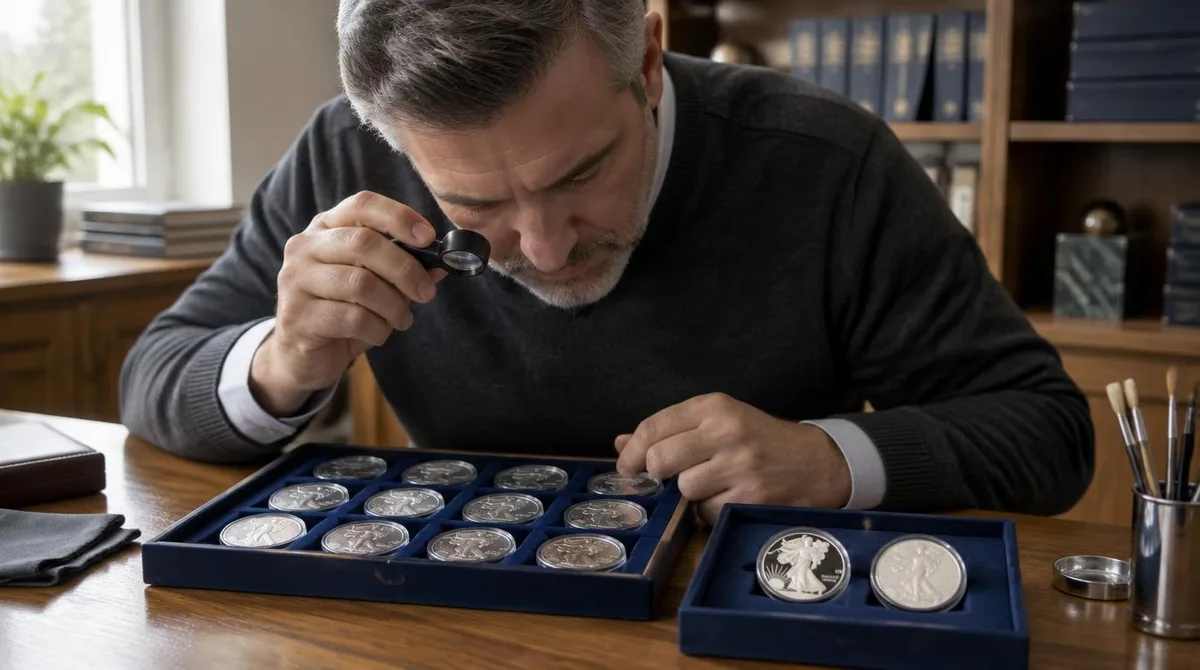
Patience pays in circulation-style places too. The 2015 strike of 79,640 pieces shows how a single run creates a sub-market. So do the Emergency Production coins of 2020 and 2021, struck at Philadelphia and San Francisco. A loupe, a date list and one focused hour cover most of the ground.
The Marks That Matter
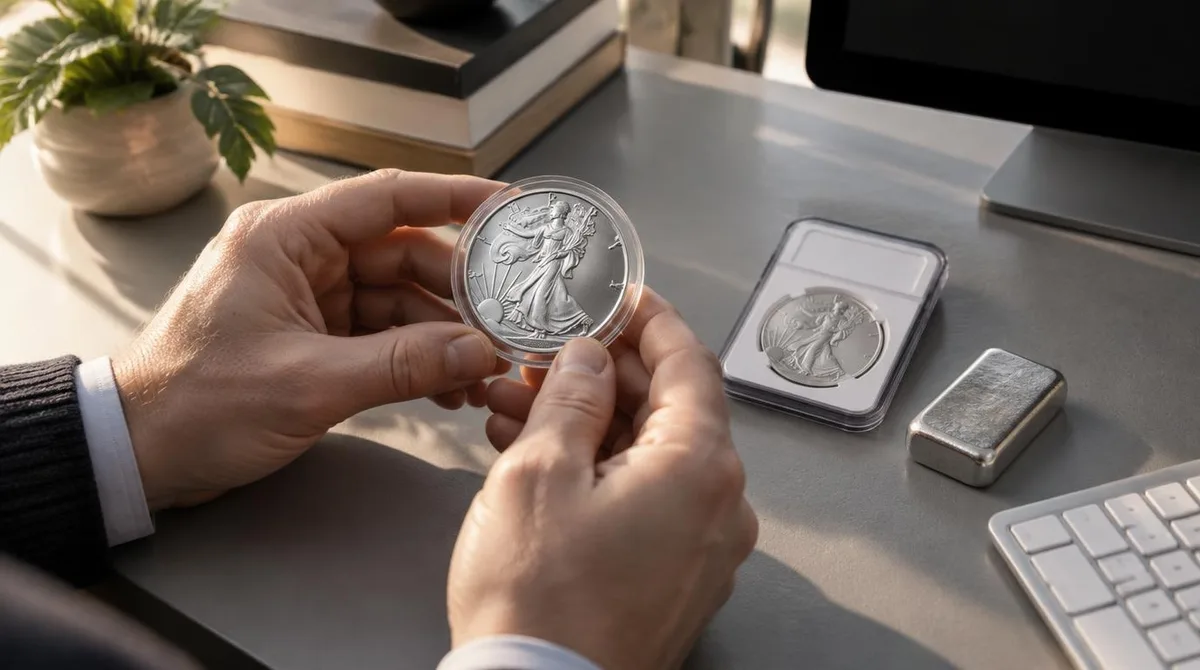
Three marks do most of the work. Mintmarks record the striking city: W for West Point, S for San Francisco, P for Philadelphia. Finish separates bullion strikes from proofs and burnished pieces. Type splits designs, like the 2021 T-1 and T-2 eagles on the one-ounce silver coin. Readers following this should also see Silver Eagle Coins: The Series Year by Year, Burnished to Proof.
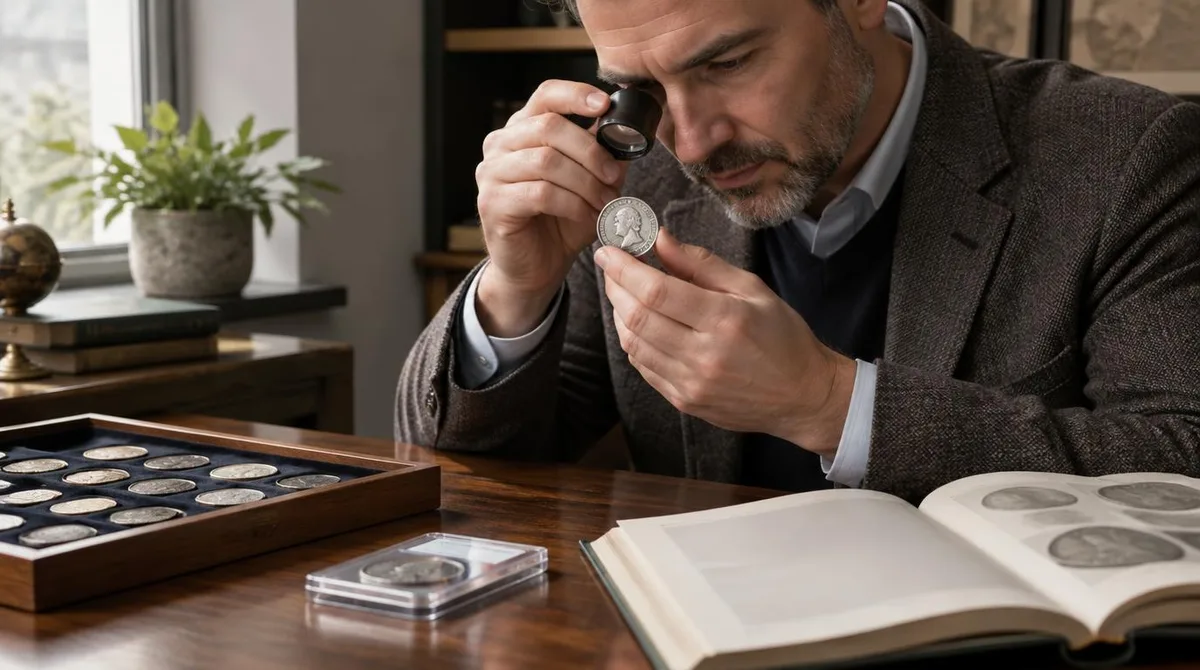
Condition marks finish the check. The Sheldon 1 to 70 scale sets the language, and third-party holders set the record. PCGS has graded on that scale with encapsulation since 1986. The holder number ties any coin to its population entry.
Dates deserve the same care as mintmarks. A design change midyear, like the 2021 eagle swap, makes the calendar itself a marker. Reading date, mark and type in one glance turns any tray into a sortable database.
Varieties and Low Runs
Low published runs create the cleanest rarity. The 2021-S proof, released August 12, 2021, carries a mintage ceiling of 200,000 coins known to everyone. The 79,640-piece 2015 strike works the same way. Numbers that small make rarity arithmetic, not folklore.
Varieties add a second layer on top of runs. Privy marks like the 2020 V75, emergency strikes and midyear type changes split calendar years into separate markets. Census reports then show how few of each earned the top grades. Thin tops grade the real prizes, and the numbers publish themselves. Values follow the counts. The price guide lists grade-by-grade retail levels, so a census rarity prices itself against the page.
Grading Turns Finds Into Records
A find becomes an asset when graded. NGC assigns MS grades from 60 upward for business strikes and PF grades for proofs. Plus and star designations mark the best-looking examples. The holder records date, mint, grade and population in one sealed place.
Submissions follow simple rules for modern coins. Standard tiers grade them, and mint packaging is optional at NGC. Early-release labels stamp dates on the holder for time-sensitive finds.
Records protect value at resale. A raw coin argues for itself; a graded coin files paperwork. Buyers pay for that certainty, and the population report answers follow the holder number wherever the coin travels.
Conclusion: Start With One Series
The hunt starts small. Pick one series, list its low runs and varieties from the price guide, and learn its three marks. Rare coins to look for then appear in ordinary places, priced by numbers rather than by stories. One series mastered beats ten series browsed. One checklist card travels to every coin show, and time spent on the list pays interest.