Precious metals form a short list with strict entry rules. Britannica names the club: rare and highly valuable elements, most often gold, silver and the platinum group metals. The same source calls them noble metals for their strong resistance to oxidation, corrosion and tarnish. Rarity plus chemical patience defines the whole category.
The money habit narrows the list further. Not every precious element circulates as coin metal or backs a product line. Mints, refiners and exchanges keep to four names: gold, silver, platinum and palladium. The other platinum group metals stay industrial, however fine the chemistry. Gold fills vaults; silver splits its life between vaults and factories. The list is short enough to learn in one sitting. Shelves stay short for a reason. Readers following this should also see Silver Bar Price: Weight Tiers and the Premium Ladder.
The Short List of Precious Metals
The platinum group counts six members: ruthenium, rhodium, palladium, osmium, iridium and platinum. Britannica lists them as one chemical family. Only platinum and palladium carry exchange listings and coin programs at scale. Gold and silver, outside the family by chemistry, sit inside the club by history. This connects to our earlier piece, Scrap Silver Price: How 925 and Coin Silver Get Valued.
The four tradables share job descriptions. Each anchors a futures contract, each carries refinery marks, and each appears in investment products. Each also serves industry, from car exhaust filters to wiring. That double life, monetary and industrial, shapes the group's odd price swings. The overlap is the point.
What Makes a Metal Noble
Nobility here means chemical patience. Noble metals fight off rust and tarnish even at high heat or in damp air, as Britannica notes. That patience lets a coin keep its shine for ages. It also explains why some deposits hold the metals in pure form.
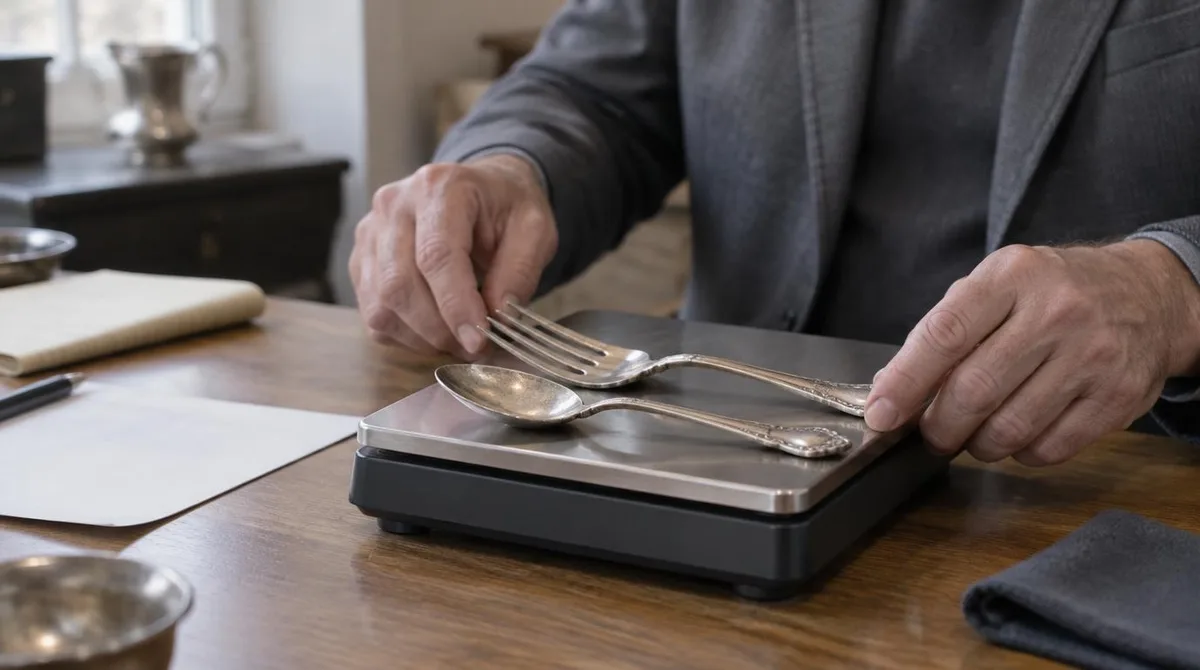
The everyday test is simple. Leave a silver spoon and an iron nail in the same damp drawer for one winter. One comes out darkened but whole; the other comes out flaky and ruined. Chemistry, not marketing, separates the two outcomes.
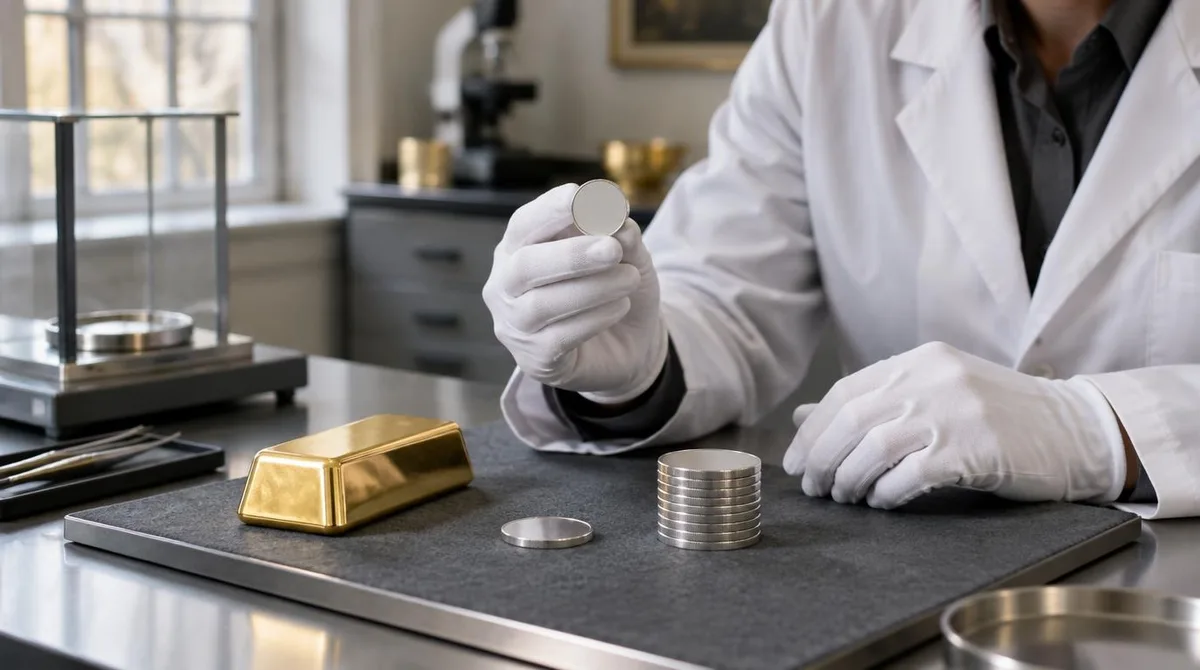
Patience also pays at the assay desk. A metal that refuses to react stays measurable and stays itself. Purity claims survive time when the metal fights rust and tarnish. Money prefers materials that do not quietly vanish, and the noble metals oblige.
Four Metals, Four Exchange Contracts
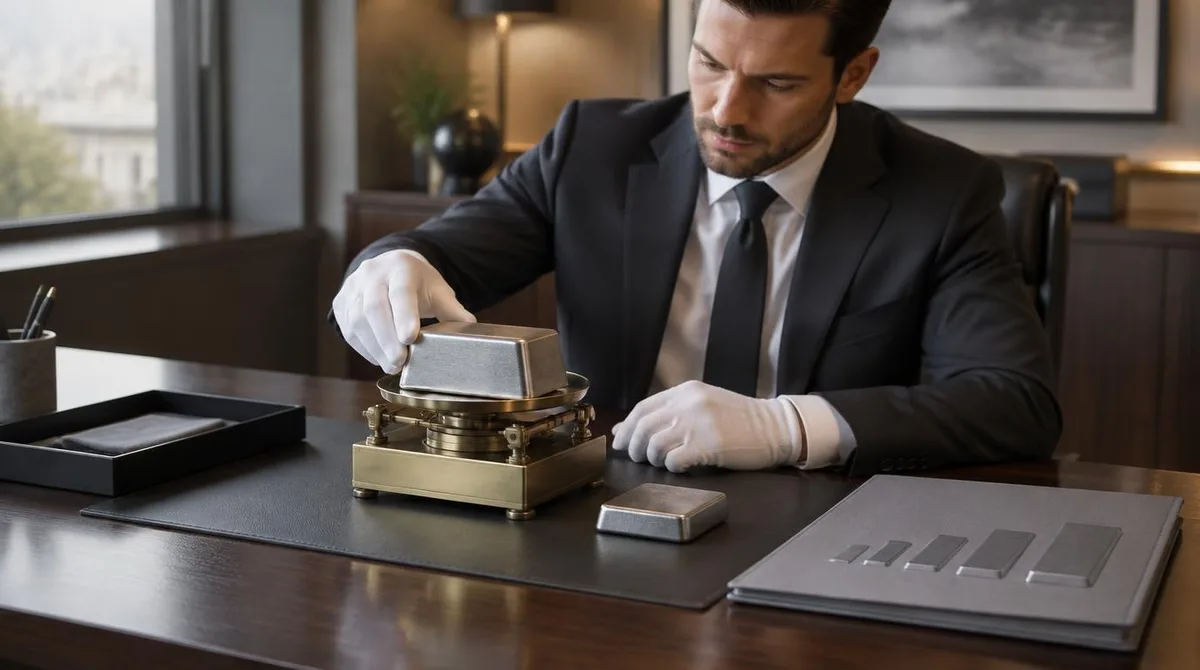
The exchange grid confirms the short list. CME Group lists a silver contract of 5,000 troy ounces and a gold contract of 100 troy ounces. Platinum trades at 50 troy ounces per lot, and palladium at 100 troy ounces per lot. Four metals, four contracts, one clearing house.
A buyer who memorizes four numbers knows the grid: 5,000, 100, 50 and again 100 ounces. Tick values differ too. Silver's outright minimum is 0.005 per ounce, worth 25.00 dollars per contract. Gold's 0.10 minimum equals 10.00 dollars, and palladium's 0.50 minimum equals 50.00 dollars. The plumbing varies, but the exchange membership matches the short list exactly. The numbers look odd apart and tidy in a row.
The Monetary Habit
Gold and silver worked as money for thousands of years before exchanges existed. Platinum and palladium joined the club later through industry and jewelry. Britannica's chemistry explains part of the pull, and history explains the rest. Precious metals keep the money habit because they store value without decaying. The habit is old and still working.
Modern products extend the habit. Bullion coins, vault accounts and exchange contracts all rest on the same short list. When a new material claims membership, the test stays constant: rarity, nobility, liquidity and a weight standard anyone can check. Three quick questions size up any claim: rare, noble, priced where?
Conclusion: Check the Contract List
The fastest audit of any precious metals claim is a visit to the exchange pages. Read the four contract units and confirm the names. Then compare the claim against the list. Precious metals arguments end fast. The chemistry, the history and the exchange grid agree on the same four names. One page, four units, one verdict.