
Silver ETFs vs physical silver comes down to one question: do you want exposure to the price, or the metal itself? An exchange-traded fund tracks silver's price and trades like a stock. Physical silver — coins, rounds and bars — puts bullion in your hands, along with the storage and resale decisions that follow.
Neither structure is simply better. As TradingView notes in its guide to silver investing, buying coins and bars is the most direct route because you can hold the metal, but it brings storage, insurance and liquidity questions; ETFs, by contrast, give price exposure without requiring you to own the metal itself. Which one fits depends on what you want the silver to do.
This article walks through what each structure actually gives the holder, where the costs sit, and how each behaves when you want to sell. For a wider view of the options, our guide to How to Invest in Precious Metals: Four Routes, Four Risk Profiles maps the alternatives. This connects to our earlier piece, How to Invest in Precious Metals: Four Routes, Four Risk Profiles.
What does a silver ETF actually give you?
A silver ETF is a fund listed on a stock exchange. Buying a share gives you a financial claim tied to the silver price, not a bar in a vault with your name on it. APMEX describes paper silver — ETFs and certificates — as essentially a piece of paper stating a financial institution is holding a specific amount of silver for you, and points out that the physical silver is never actually in the buyer's hands.
That is the core trade. You get clean, divisible exposure. You can buy or sell through a brokerage account during market hours, in amounts far smaller than a single ounce of bullion. What you give up is direct possession: no coin to hold, no bar in a safe, and a claim that depends on the fund's structure and custodian doing what it says.
What does physical silver give you?
Physical bullion means the metal itself. Bullion products are valued mostly for their metal content, without collectible value, and are commonly .999 or .9999 fine — 99.9% or 99.99% pure silver, as APMEX explains. Sovereign coins such as the American Silver Eagle sit alongside privately minted bars and rounds.
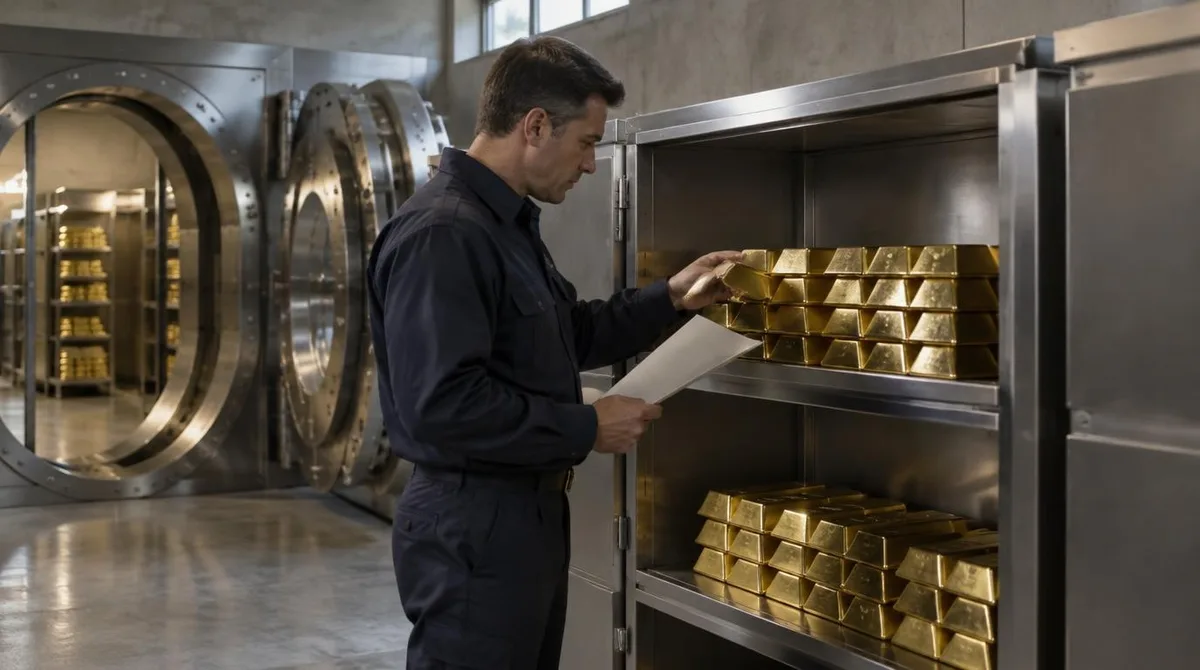
Possession changes the risk profile. There is no intermediary between you and the metal. But there are also obligations an ETF holder never faces: storage, insurance and protection against theft or environmental damage. APMEX frames the first storage decision as home versus a secure third-party facility — a safe or lock box at home on one side, a professional vault on the other.
Where do the costs sit in each?
The two routes charge you in different places.
- ETFs charge an ongoing fund expense, deducted from the value of the holding. You pay it invisibly, every year, for as long as you hold.
- Physical silver charges upfront. Products trade at a premium above spot — the market price for one troy ounce for immediate delivery — and that premium covers fabrication and distribution. Kitco adds a detail stackers know well: because silver is far less valuable per gram than gold, minting a one-ounce silver coin costs nearly as much as minting a gold one, so the premium takes a proportionally larger bite of the metal's value.
Physical holders may also pay storage fees if they use a third-party vault, and shipping costs if they do not. The comparison is therefore not "fees versus no fees." It is a small recurring deduction against a larger upfront cost plus optional custody charges.
How easy is it to sell?
This is where the structures diverge most sharply. An ETF share sells through a broker in seconds during market hours, at a price very close to the live silver price. Liquidity is built into the wrapper.
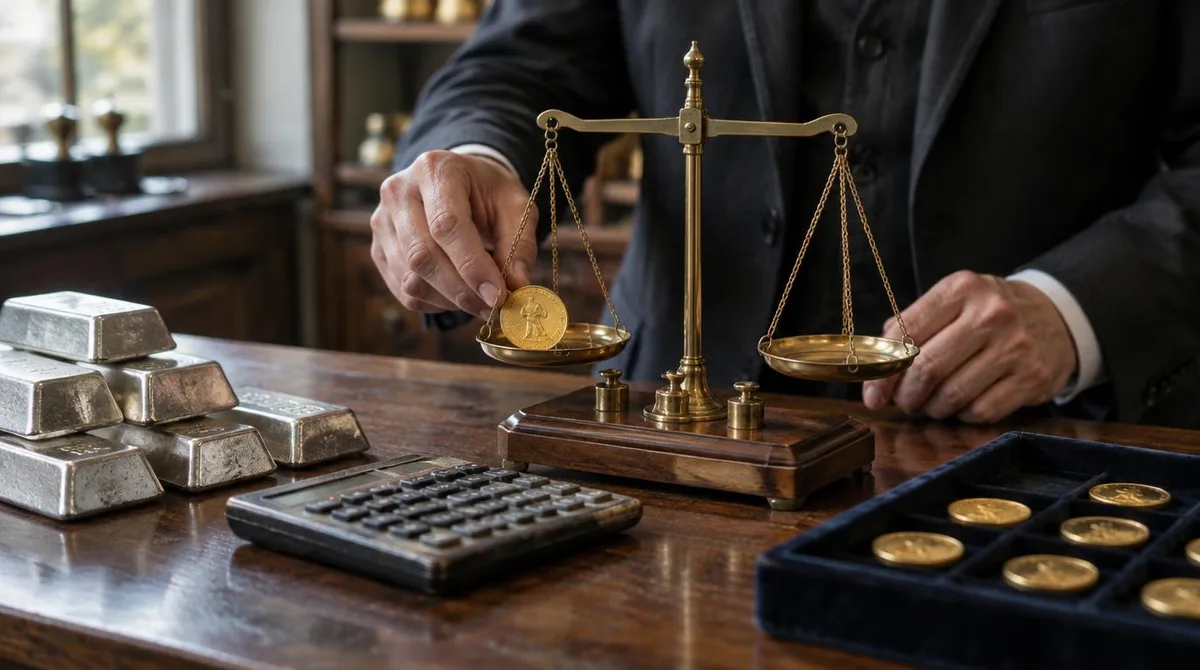
Physical silver sells through a dealer, and the dealer quotes two prices. The bid is what the dealer will pay you; the ask is what they charge a buyer. The gap between purchase and resale is the spread — APMEX illustrates it simply: buy at $20.00, sell at $25.00, and the spread is $5.00. In practice a seller exiting physical bullion usually receives below spot, because the dealer needs margin to resell. Selling also takes longer: TradingView's guidance notes that selling physical silver can take longer than trading on the markets.
Collectible and numismatic pieces complicate this further. APMEX notes that rare or collectible silver carries premiums above metal value, and that grading, packaging and condition all affect price. Bullion bars and rounds keep the valuation simple; rare coins do not.
What this means for collectors and stackers
Our analysis: the choice tracks your purpose, not the market outlook. If the goal is price exposure inside a brokerage account — a position you can size, rebalance and exit quickly — the ETF does that job with less friction. If the goal is holding metal outside the financial system, in your own custody, then physical is the only structure that delivers it, and the premium and spread are the price of that independence.
Many holders end up with both, for different jobs. The bullion buyer should still mind the details: stick to .999-fine bullion products rather than collectibles if metal content is the point, and price the spread before buying, not after. Anyone weighing silver against other metals may find our Silver Price Prediction 2026: What Analysts Expect Next useful context, and the broader investing section covers the hard-asset questions around both routes.
What to watch before you choose
Three checks settle most decisions. First, confirm what the fund holds and how — a claim on metal held by a custodian is a different asset from a coin in your safe, whatever the chart looks like. Second, add up the all-in cost of each route over your intended holding period: fund expense on one side, premium, storage and spread on the other. Third, be honest about the exit. If you might need to sell fast, the ETF's liquidity is a real feature. If you are stacking for the long term and want the metal itself, the spread is a cost you accept once, at each end of the trade.
Market note, dated at publication: silver's spot price is quoted per troy ounce — 31.1035 grams — and Kitco's live table showed silver near $49.00 per ounce at the time of writing, with the gold-silver ratio around 79.1. Both figures move constantly; check a live quote before acting on any cost comparison in this article.